
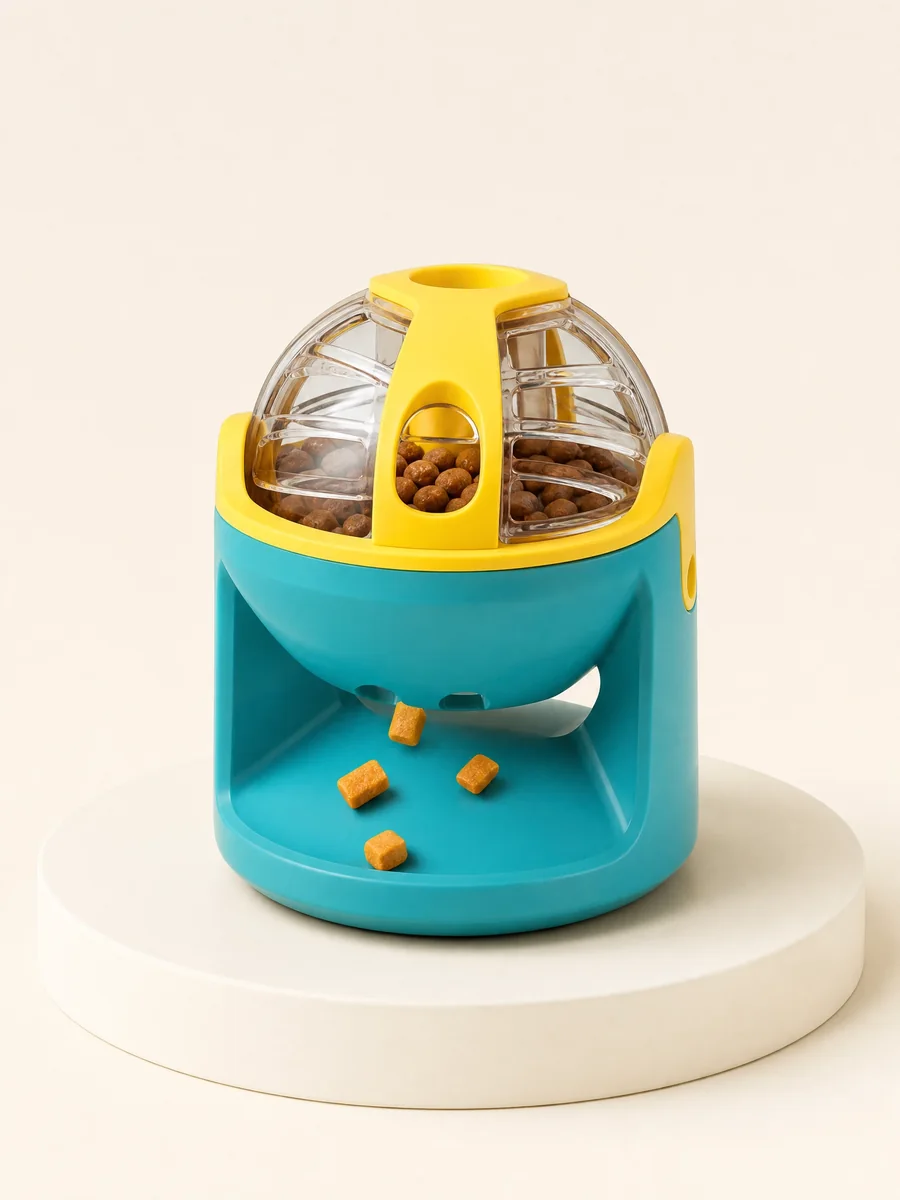
This guide gives U.S.-market buyers (retailers, importers, distributors, private-label teams) a practical, step-by-step procurement framework for collapsible pet bowls and related pet feeding accessories. It focuses on supplier screening, product specifications, material/component evidence, sampling and pilot checks, packaging and retail readiness, quality-control expectations, commercial tradeoffs, and an actionable buyer plan. This is informational only — buyer/importer confirmation is required for final claims and target-market obligations.
Decision framework: what success looks like for bulk collapsible pet bowl sourcing
Start with a compact decision framework that defines minimum acceptance criteria and commercial goals before engaging suppliers.
- Business objectives: target retail price, margin, private-label or branded SKU, launch timing.
- Regulatory and market constraints: U.S. import requirements, labeling, and any state-level rules that may apply (buyer/importer confirmation required).
- Product class definitions: collapsible silicone or fabric travel bowls vs. rigid bowls (e.g., ceramic). Collapsible items are typically marketed as portable/outing products; ceramic pet bowl wholesale or ceramic pet bowl custom entries are different product categories that affect packaging, weight, and freight.
- Risk and quality thresholds: acceptable defect rate (e.g., initial AQL), acceptable lead time variability, and right-to-recall protocols.
- Sourcing route: direct manufacturer, contract manufacturer, trading company, or local consolidation partner.
Use this framework as a gate: if a supplier cannot confirm core requirements within initial RFQ responses (lead time, MOQ, certifications, sample policy), deprioritize until they can. Remember: buyer/importer confirmation is required for regulatory and safety claims.
Supplier screening: credibility, capabilities, and trade terms
Key screening dimensions and red flags to accept or reject suppliers quickly.
- Entity verification: confirm legal company name, manufacturing address, business license, and tax ID. For overseas suppliers, verify export experience into the U.S. and obtain references for similar shipments.
- Manufacturing capabilities: ask for production photos, flow diagrams, and line capacities for flexible items (silicone, TPU, nylon) and for rigid ceramic processes if you're also sourcing ceramic pet bowl wholesale or ceramic dog bowl manufacturer items.
- Minimum order quantity (MOQ) and pricing tiers: get FOB and CIF pricing for typical carton sizes and pallet loads. Request price breaks for 3, 6, and 12-month forecasts.
- Lead times and capacity commitments: ask calendar-based capacity — how many units per week/month and guaranteed lead time for first production and reorder runs.
- Certifications and test evidence: request third-party test reports for materials (food-contact silicone, BPA-free claims, phthalate testing, lead and cadmium testing for ceramic glazes if sourcing ceramic pet bowl custom). Do not accept verbal claims — require documents.
- Compliance with U.S. requirements: the supplier should be familiar with the Consumer Product Safety Commission (CPSC) and Food and Drug Administration (FDA) scope where applicable; buyer/importer confirmation is required.
- Intellectual property and private label: confirm mold ownership, tooling charges, design/IP transfer terms, and confidentiality protocols.
Red flags:
- No verifiable production address, no prior U.S. export history, evasive answers about test reports, or unwillingness to provide references.
- Excessive mainland-only payment demands without escrow, L/C, or trade assurance options.
Compact vendor evaluation table (example scoring to compare short-list suppliers):
| Screening item | Weight | Supplier A | Supplier B | Supplier C |
|---|---|---|---|---|
| Production capacity | 20% | 8/10 | 6/10 | 9/10 |
| Test reports provided | 20% | 9/10 | 4/10 | 8/10 |
| Lead-time reliability | 15% | 7/10 | 5/10 | 8/10 |
| MOQ/pricing | 15% | 6/10 | 9/10 | 7/10 |
| Private-label capability | 15% | 8/10 | 5/10 | 9/10 |
| Communication & references | 15% | 9/10 | 6/10 | 7/10 |
| Composite score | 100% | 7.9 | 5.9 | 8.1 |
Use the composite score to prioritize supplier visits, remote audits, or sample orders.
Product specifications and material evidence
Define specifications for collapsible pet bowls up front. For suppliers, precise specs eliminate ambiguity and reduce costly iterations.
Core product spec checklist
- Type: collapsible silicone bowl, fabric/nylon foldable bowl with rigid rim, or hybrid. If you’re also considering rigid ceramic SKUs, request separate specs for ceramic pet bowl wholesale or ceramic pet bowl custom lines.
- Dimensions & capacities: collapsed height, expanded diameter, liquid capacity (oz/ml), wall thickness (mm).
- Materials: food-contact grade silicone (specify grade such as FDA-compliant silicone), fabric denier and coating for nylon/canvas options, seam/thread material, and any metal components (e.g., carabiners).
- Weight per unit and carton weight for freight calculations.
- Color and color-fastness: Pantone numbers or supplier color codes.
- Printing/branding: methods (pad-print, sublimation, silicone molding), placement and tolerances.
- Functional claims: temperature range for silicone, leak resistance, and dishwasher-safe claims. Require third-party test evidence before accepting claims.
- Packaging: inner poly bag, header card, blister, or retail-ready hanging carton.
Material/component evidence to request
- Material declarations and certificates of analysis (CoA) for silicone, plastics, and textiles.
- Third-party test reports for food-contact safety where applicable (specific tests depend on materials).
- For ceramic entries (e.g., ceramic dog bowl manufacturer or ceramic cat bowl custom projects): glaze testing for lead and cadmium migration and compliance reports.
- Traceability documentation showing batch/lot codes for core components — useful for recalls or failures.
Compact materials comparison table to inform tradeoffs:
| Material | Pros | Cons | Typical price impact |
|---|---|---|---|
| Food-grade silicone | Flexible, durable, dishwasher-safe | Higher unit cost, heavier carton weight | +15–30% vs basic nylon |
| Nylon/canvas with waterproof coating | Lightweight, low cost, compact | Less temperature resistance, potential coating wear | baseline |
| TPU or coated fabrics | Good water resistance, lighter than silicone | Variable longevity, potential off-gassing concerns without tests | +5–15% |
| Ceramic (separate SKU) | Perceived premium, stable weight | Fragile, higher freight damage, heavier | +40–80% |
Make sure suppliers provide evidence for any food-contact claims. Buyer/importer confirmation is required before asserting regulatory compliance.
Sampling and pilot-run checks
Use samples and small pilot runs to verify claims and production consistency.
Sample matrix to request
- Pre-production sample (PPS): prototype based on your artwork and tooling.
- First article sample (FAS): from final tooling and specified materials.
- Production-ready sample (PRS): sample pulled during initial production run to verify process control.
- Stress & functional samples: collapse cycles (e.g., 1,000 cycles), drop tests, carabiner attachment tests, leak tests with specified volumes and weights.
Checklist for inspecting samples
- Dimensional checks: measure collapsed height, expanded diameter, and capacity.
- Material checks: tactile inspection, smell test for off-gassing, and requested lab test verification.
- Cosmetic checks: color match to Pantone, print clarity, seam and bonding quality.
- Functional checks: collapse/expand life-cycle test, dishwasher cycle or wash test if claimed, and product fit with intended lids or accessories.
- Packaging inspection: retail hangability, barcode placement, and retail-ready presentation.
Pilot-run acceptance criteria
- Define an AQL (Acceptable Quality Level) for initial production (e.g., AQL 2.5 for major defects).
- Require photographic evidence of each carton or sample lots, and, if feasible, third-party inspection at factory before shipping.
- Track first 1–3 shipments closely and log defects to adjust specs or QC plans.
Sample logistics best practice
- Use couriered sample shipments for prototypes; for pilot runs consider small LCL or air-freight consignments.
- Negotiate sample fees and tooling credits upon order placement.
- Keep sample documentation on file to reference during defect investigations.
Packaging, retail readiness, and quality-control controls
Packaging is central to retail success and damages liability. Quality control should be integrated into packaging specifications.
Retail packaging considerations
- Retail channel requirements: shelf-ready cartons, head cards, UPC barcode placement, and any multi-pack configurations for value SKUs.
- Protective packaging: internal holders or trays for ceramic bowls; for collapsible items, inner poly bags and header cards may suffice.
- Unit and master-carton labels: include country of origin, material statements, lot numbers, and handling marks.
- Retail-ready code requirements: tamper-evident seals or QR codes linking to product info and compliance documentation.
Quality control program elements
- Incoming material inspection (IMI): test sheets and batch checks for silicone hardness (durometer), textile coating adhesion, and metal component plating.
- In-process checks: first-piece inspection, in-line dimensional checks every N units, and end-of-line visual checks.
- Final random inspection (FRI): third-party inspections using agreed AQLs before shipment.
- Documentation: inspection reports, digital photographs, and batch traceability logs.
QC checkpoint table (recommended frequency and responsibility):
| Checkpoint | Frequency | Responsible party |
|---|---|---|
| Incoming material tests | Per lot | Supplier QC + buyer spot checks |
| First-piece inspection | Every production run | Supplier QC |
| In-process sampling | Every 2–4 hours or per 1,000 units | Supplier line QC |
| Final random inspection | Each shipment | Third-party inspector or buyer-appointed QA |
| Carton & label verification | Each shipment | Supplier + inspector |
Insist on agreed corrective action response times and root-cause analysis for defects. For ceramic SKUs, require extra packaging and palletization standards due to fragility.
Commercial tradeoffs and buyer action plan
This module covers cost, lead-time, MOQ tradeoffs and ends with a specific action plan you can follow in 8 steps.
Commercial tradeoffs to evaluate
- Price vs. quality: lower-cost collapsible pet bowl bulk options often use thinner silicone or cheaper polymer coatings that may not withstand repeated collapse cycles. Conversely, higher-grade silicone increases cost and carton weight.
- MOQ vs. per-unit price: large MOQs reduce unit cost but increase inventory risk and storage cost. Consider staggered orders or buffer safety stock in U.S. warehouses.
- Lead time vs. freight cost: air vs. sea. Faster replenishment increases cost but reduces stockout risk for retail launches.
- Private-label vs. off-the-shelf: custom molds or ceramic pet bowl custom orders require tooling investment and longer lead times but create differentiation; buying common SKUs allows quicker time-to-market.
- Testing and compliance costs vs. speed-to-market: allocating budget to third-party testing and inspections reduces import risk but extends development time and adds up-front cost.
Buyer action plan (8 steps)
- Define product family and specs: choose collapsible material(s), sizes, target price, and initial order quantity.
- Prepare RFQ package: include spec sheet, desired packaging artwork, sample requirements, target lead times, and payment terms.
- Short-list and screen suppliers: use the supplier screening table to narrow to 3–5 candidates and request capability proofs and test evidence.
- Order and review pre-production samples: obtain PPS and FAS; perform internal and third-party tests as required.
- Negotiate commercial terms: MOQ, lead times, payment milestones, tooling ownership, and penalties for late delivery.
- Approve pilot run with agreed AQL: request third-party inspection and FRI during pilot.
- Finalize packaging and retail plan: confirm carton specs, UPCs, and store-ready presentation; plan U.S. warehousing and distribution.
- Scale with staged replenishment: use forecasted reorder points, safety stock rules, and periodic supplier audits.
Use this plan as a timeline checklist with owners and dates. Buyer/importer confirmation is required for legal and regulatory obligations.
Frequently asked questions
Q1: What minimum documentation should I require for collapsible pet bowl bulk orders? A1: Require business license, manufacturing address, material CoAs for all food-contact components, third-party test reports for safety claims, sample photos, and inspection reports. Buyer/importer confirmation is required before making regulatory claims.
Q2: Can I combine collapsible and ceramic SKUs in the same purchase order? A2: Yes, but treat them as separate SKUs with distinct packaging, QC, and freight handling due to weight and fragility differences; many buyers keep separate POs or use different cartonization plans.
Q3: How do I verify claims like “dishwasher-safe” or “BPA-free”? A3: Ask for independent laboratory test reports (preferably from accredited labs) that specifically test the claimed property under agreed conditions; do not accept supplier certificates without lab backing.
Q4: What inspection levels (AQL) are standard for these products? A4: Common practice is AQL 2.5 for major defects and AQL 4.0 for minor defects on initial production; adjust levels based on product risk and retail expectations. Final acceptance requires buyer/importer confirmation for target markets.
Conclusion
Sourcing collapsible pet bowl bulk for the U.S. market requires a structured approach: define clear specs, verify supplier capabilities and test evidence, use staged sampling and pilot runs, lock down packaging and QC processes, and understand commercial tradeoffs between cost, lead time, and quality. Keep traceability and inspection documentation and require third-party verification for material and safety claims. Follow the eight-step buyer action plan above to reduce risk at launch. Buyer/importer confirmation is required before asserting compliance or making public performance or regulatory claims.
Buyer search scope
This guide addresses the following U.S. B2B procurement search phrases. Each phrase is considered in the context of supplier selection, product specifications, samples, packaging and quality evidence rather than as a consumer recommendation.
| Search phrase | Buyer use |
|---|---|
| collapsible pet bowl bulk | Primary procurement focus for this guide |
| collapsible dog bowl wholesale | Related specification, supplier or range-planning query |
| ceramic pet bowl wholesale | Related specification, supplier or range-planning query |
| ceramic pet bowl custom | Related specification, supplier or range-planning query |
| ceramic dog bowl manufacturer | Related specification, supplier or range-planning query |
| ceramic cat bowl custom | Related specification, supplier or range-planning query |
| dog bowl suppliers | Related specification, supplier or range-planning query |
Final CTA — Prepare a focused pet feeding accessories sourcing brief with PawViso.
Share your target U.S. channel, product format, estimated order structure, packaging direction and customization requirements for a practical B2B discussion.
Email: info@PawViso.com
WhatsApp: +86 186 8106 4480
Related PawViso resources
- Continue with How to Source Slow Feeders for Dogs and Cats to compare a related supplier, sample and quality-control route.
- Browse the PawViso product catalogue to identify product formats for your purchasing brief.
- Follow the PawViso sourcing process and review the B2B buyer FAQ before sharing requirements.
External reference
Use ISO 9001 quality-management systems guidance as general quality-system context, and confirm the product-specific evidence that applies to the selected SKU, channel and target market.