
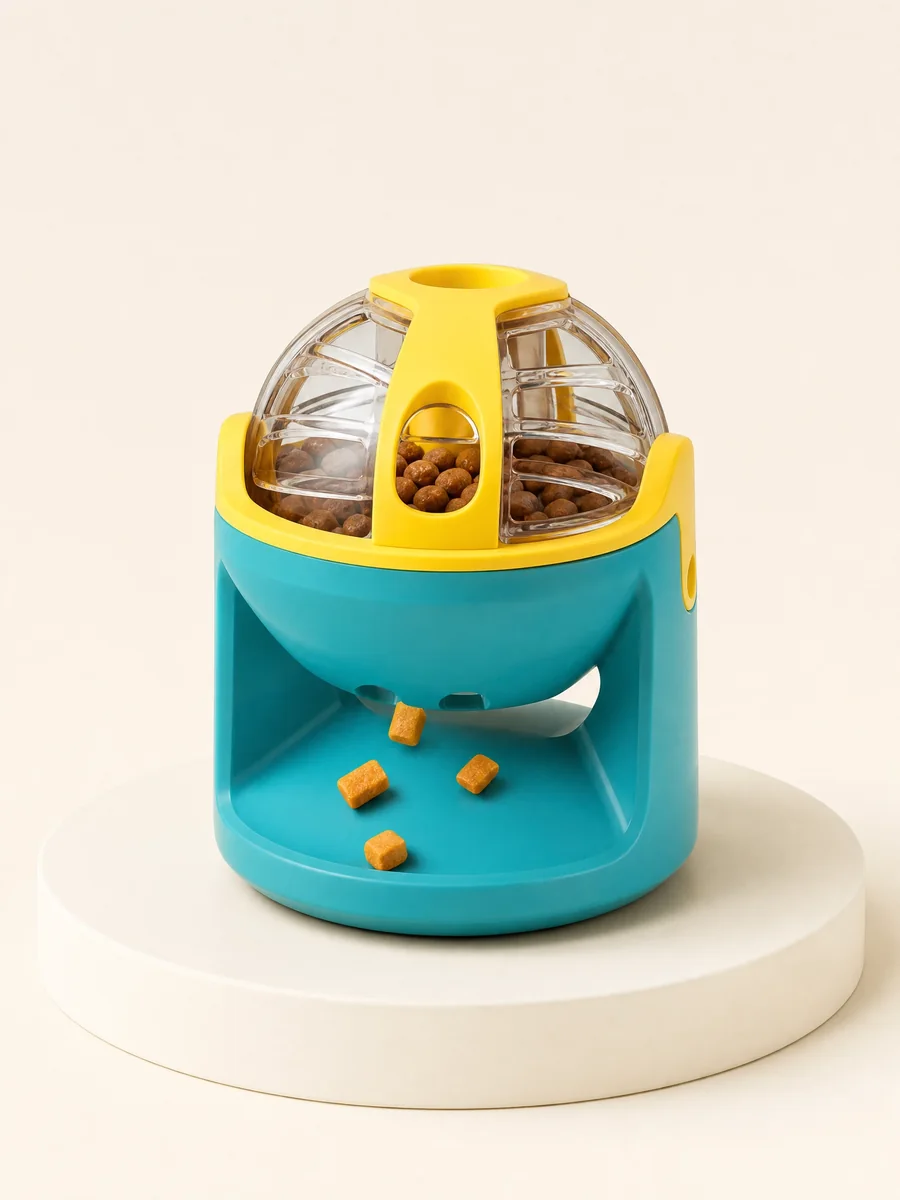
This guide helps U.S.-market retailers, importers, distributors and private-label teams evaluate and purchase ceramic dog bowls bulk. It presents a practical decision framework and five procurement modules you can apply while screening suppliers, defining product specifications, validating material evidence, running samples and pilot runs, and preparing packaging, quality controls and commercial tradeoffs. The guide avoids product-performance or regulatory guarantees; final claims and target‑market obligations require buyer/importer confirmation.
Decision framework: who, what, and risk profile
Start every sourcing project with three questions: who are you selling to, what problem does the bowl solve for them, and what level of supply-chain risk can you accept. This section gives a compact checklist to align stakeholders before issuing RFQs or samples.
Checklist (minimum):
- Buyer profile: retail channel (big-box, pet-specialty, e-commerce), price tier, private-label vs. branded.
- Target SKUs: rim/inner diameter, depth, weight, finish (glazed, unglazed), color palette, personalization options.
- Compliance and claims: U.S. importer obligations, labeling, and any voluntary certifications you will require.
- Lead-time tolerance, MOQ limits and acceptable defect rates.
- Planned SKU lifecycle and replenishment cadence.
Supplier screening quick rules:
- Verify legal entity, export experience to the U.S., and at least one verifiable reference for ceramic tableware or pet feeding accessories.
- Prefer suppliers with documented ceramic production capabilities (press, slip-casting, glazing kilns) and clear capacity data.
- Ask for factory photos, process flow, and inspection reports from prior orders. Confirm on-site QA procedures and third-party testing history if available.
- Require clear commercial terms: EXW/FOB, payment terms, sample cost policy, MOQ and lead times.
Decision matrix (compact)
| Buyer priority | Recommended supplier profile |
|---|---|
| Low cost, high MOQ | High-volume ceramic factories, basic glaze options, offshore-only QA |
| Premium private-label | Smaller factories with customization, color matching, personalization capacity |
Use this framework to set shortlists and risk tolerances before detailed spec sheets or POs are issued.
Product specifications and functional sizing
Define measurable specifications before sample requests. Ambiguity in size, weight or finish is a primary source of disputes.
Key dimensions and tolerances:
- Outer diameter, inner diameter, rim thickness, depth, and finished height. Specify tolerances in mm (e.g., ±2 mm).
- Nominal weight or weight range. Ceramic bowls vary widely; heavier bowls resist sliding but increase freight cost.
- Drainage/anti-tip features: integrated rubber base or separate pads—specify material and attachment method.
- Slow-feeder and insert compatibility: If offering slow-feeder options, define well pattern, channel depth and total bowl volume.
Include exact target keywords in spec context:
- For buyers comparing formats, consider slow feeder dog bowl purpose and list whether the SKU is a standard bowl, integrated slow-feeder, or designed to accept an insert.
- If you plan cross-category SKUs, note slow feeder cat bowl ceramic options and whether a separate slow feeder cat bowl insert is required.
- For multi-pet assortments, include how big should a cat bowl be guidance in a spec appendix: typical cat bowl inner diameter and volume targets for cat food versus water.
Sizing guidance (compact table)
| Pet size/category | Inner diameter (mm) | Depth (mm) | Approx. volume (mL) |
|---|---|---|---|
| Small dog / cat | 90–120 | 25–40 | 200–400 |
| Medium dog | 120–160 | 35–50 | 400–800 |
| Large dog | 160–220 | 45–70 | 800–1500 |
Also specify finishing expectations: glossy vs matte glaze, color codes (Pantone or supplier paint codes), and personalization (engraving, decal, or pad-print). If you plan personalization, include exact production steps and acceptable lead times in the spec.
Material, component evidence and test points
Ceramic dog bowls are simple but manufacturing variability and material composition matter for durability, appearance and regulatory labeling.
Required documentary evidence to request from suppliers:
- Material declaration for clay/body type (earthenware, stoneware, porcelain) and glaze chemistry summary.
- Kiln firing profile ranges (e.g., low-fire earthenware ~1000–1150°C, stoneware ~1200–1300°C) so you can judge strength expectations.
- Lead and heavy-metal test reports for glaze, ideally third‑party lab tests against applicable U.S. thresholds if the supplier has them available. State that you will require buyer/importer confirmation for final claims and target-market obligations.
- Evidence of abrasion or scratch-resistance tests if relevant to appearance claims.
- Photographic evidence of color consistency batches and a glaze stability statement for food-contact use (if provided).
Material/component checklist for RFQ:
- Clay body type and porosity rating.
- Glaze composition summary and max firing temp.
- Non-slip base material: type (silicone, rubber) and attachment method; request peel/shear test data if available.
- Adhesives, decals and any non-ceramic components: material specs and supplier names.
Example risk table (compact)
| Risk area | Supplier evidence to request |
|---|---|
| Glaze composition | Material declaration + third-party heavy-metal test reports |
| Non-ceramic parts | MSDS / material spec + attachment method |
| Dimensional consistency | CPK or sample measurement report across batch |
If the supplier cannot supply traceable, current test reports, build the cost of independent laboratory testing into your sourcing plan.
Sampling, pilot-run checks and acceptance criteria
Samples are the primary decision point. Design a sample and pilot-run program that scales with commercial risk and SKU complexity.
Recommended sample types:
- Pre-production sample (PPS): made from production tooling with intended glaze and personalization. Use this to confirm dimensional tolerances, glaze appearance and personalization accuracy.
- Production-prep sample: full carton quantity assembled, packaged and labeled exactly as planned for retail channels.
- Pilot run: limited production batch (e.g., 1–2 carton lots) using full manufacturing process and QA to validate yield and defects.
Inspection and acceptance checklist for each sample:
- Visual appearance: color match, glaze defects (pinholes, crazing), printing or decal alignment, and personalization legibility.
- Dimensional verification: measure inner diameter, depth, rim thickness and weight against specified tolerances.
- Functional verification: if marketed as slow feeder, confirm channel depth and food retention function consistent with "slow feeder dog bowl purpose".
- Packaging proof: package drop-test, retail-ready display fit, barcode placement and instruction/labeling content check.
- Record a nonconformance log and define allowable defect rates for first production (typically 2–5% depending on SKU and price tier).
Sample agreement terms to include in RFQ:
- Number of samples, cost, who covers freight and timelines for return or disposal of samples.
- Acceptance criteria and what constitutes approval to proceed to pilot run.
- Rework and color correction policies, including how many rounds of rework are included in the quoted sample cost.
Note on personalization and inserts:
- For "slow feeder dog bowl personalised" items, require a signed artwork approval with proof-of-print/sample before mass production. Allow for tooling or stencil lead time.
- If you sell slow feeder cat bowl insert systems, request an insert-fit test in samples to confirm compatibility.
Packaging, retail readiness, and labeling
Evaluate packaging from the perspective of transit protection, retail presentation and regulatory labeling. Packaging can be a profit center or a cost drain—decisions should align to channel requirements.
Retail readiness checklist:
- Protective packaging: inner cushioning (molded pulp, foam), partition, or full-wrap options; specify minimum drop test height (e.g., 1 m) and acceptance criteria.
- Master carton optimization: pieces per carton, carton dimensions, pallet stacking pattern, and overpack rules.
- Labeling and barcode: UPC or GTIN placement, legible country-of-origin marking, and any required safety/usage labels.
- Point-of-sale presentation: shelf-ready cartons, header cards, or hanging blister options—define SKU merchandising needs.
Packaging cost vs. retail benefit table
| Packaging option | Typical cost impact | Retail benefit |
|---|---|---|
| Minimal protective wrap | Low | Lower freight; higher risk of breakage |
| Molded pulp insert + color box | Medium | Good protection, premium shelf look |
| Display-ready carton | High | Faster merchandising, improved presentation |
Sustainability and claims:
- If sustainability claims factor into buying decisions, request supplier proof for recycled content, FSC certification for paperboard, or recyclability statements. Do not accept supplier sustainability claims without verification; buyer/importer confirmation is required for final claims.
Labeling and regulatory note:
- Do not assume a supplier’s labeling meets U.S. obligations. Specify required labeling content in the PO and confirm responsibility for compliance with the importer. Avoid making safety or regulatory claims in marketing copy without appropriate testing and legal review.
Quality control, inspections and commercial tradeoffs
Quality-control decisions drive cost, lead times and reject rates. Define inspection points and acceptable failure rates before production.
Inspection plan (recommended):
- Pre-production inspection: confirm tooling, glaze, and first articles (PPS) before full production.
- In-line inspections: periodic line checks for dimensional consistency and glaze defects.
- Pre-shipment inspection (AQL-based): conduct an AQL inspection (e.g., ISO 2859-1 or ANSI/ASQ Z1.4) and agree on acceptable quality levels for critical, major and minor defects.
Suggested defect classification:
- Critical: safety hazards, non-compliant labeling—zero tolerance.
- Major: glaze crazing affecting appearance, broken pieces—low tolerance (0–1.5% depending on price tier).
- Minor: cosmetic glaze specks or slight color variance—higher tolerance (up to 4% in many programs).
Commercial tradeoffs to consider:
- Lower unit price vs. higher inspection frequency: inexpensive SKUs often need frequent spot checks to control yield.
- Higher MOQ vs. unit cost: negotiate pilot-run and staggered payments to reduce inventory risk.
- Personalization complexity vs. SKU proliferation: personalized slow feeder dog bowl personalised SKUs significantly increase tooling and inventory segmentation—use on-demand personalization where margins allow.
- Freight mode vs. cost: ceramic is heavy; shipping terms and mode materially affect landed cost. Consider FOB pricing scenarios and include landed-cost modeling before award.
Sample AQL table (compact)
| Defect type | Suggested AQL for first production |
|---|---|
| Critical | 0.0% (reject lot) |
| Major | 0–1.5% |
| Minor | 2–4% |
Contract terms to include:
- Rejection and rework process, re-inspection responsibility, and financial impact of failed lots.
- Warranty and return policy language tailored to B2B resale and bulk shipments.
- Escalation path for disputes and agreed independent third-party laboratory or inspection body for tie-breakers.
Frequently asked questions
Q: How do I evaluate "slow feeder dog bowl purpose" for product listings? A: Define the customer need in product copy (reduce gulping, improve digestion pacing) and verify with functional samples that the bowl’s internal pattern slows ingestion as intended. Do not make medical claims; buyer/importer confirmation is required for any health-related statements.
Q: What size should I order for mixed-cat-dog assortments when one SKU targets cats? A: Use the sizing table in this guide and the exact phrase how big should a cat bowl be to document the target inner diameter and volume. For mixed assortments, label clearly and consider separate SKUs to avoid consumer confusion.
Q: Can I offer personalization like engraving or name prints on slow-feeder SKUs? A: Yes, but require a sample approval process for "slow feeder dog bowl personalised" items, including proof of print durability. Factor lead time, tooling, and minimum order implications into pricing and inventory models.
Q: If I want modular product options, can I source a "slow feeder cat bowl insert" separately? A: Yes. Request sample fit tests demonstrating insert compatibility with core bowls and a materials spec sheet for the insert. Specify packaging that includes or accommodates the insert and verify assembly instructions on the retail-ready package.
Conclusion
Sourcing ceramic dog bowls bulk for the U.S. market is predominantly a specification, verification and cost-management exercise. Use the decision framework here to align stakeholders, create precise product sheets that include exact dimensional and glaze tolerances, and require material test evidence from suppliers. Build a sample and pilot-run program that escalates with commercial risk, and define packaging and labeling requirements that match your channel needs. Implement a clear inspection plan and accept explicit tradeoffs—lower price typically means higher QA overhead; personalization and slow-feeder functionality increase complexity and MOQ. Always require buyer/importer confirmation for final claims, labeling and target-market obligations, and budget for independent testing or inspections where supplier evidence is incomplete.
Buyer search scope
This guide addresses the following U.S. B2B procurement search phrases. Each phrase is considered in the context of supplier selection, product specifications, samples, packaging and quality evidence rather than as a consumer recommendation.
| Search phrase | Buyer use |
|---|---|
| ceramic dog bowls bulk | Primary procurement focus for this guide |
| slow feeder dog bowl purpose | Related specification, supplier or range-planning query |
| how big should a cat bowl be | Related specification, supplier or range-planning query |
| what size slow feeder dog bowl | Related specification, supplier or range-planning query |
| slow feeder dog bowl personalised | Related specification, supplier or range-planning query |
| slow feeder cat bowl insert | Related specification, supplier or range-planning query |
| slow feeder cat bowl ceramic | Related specification, supplier or range-planning query |
Final CTA — Prepare a focused pet feeding accessories sourcing brief with PawViso.
Share your target U.S. channel, product format, estimated order structure, packaging direction and customization requirements for a practical B2B discussion.
Email: info@PawViso.com
WhatsApp: +86 186 8106 4480
Related PawViso resources
- Continue with How to Source Slow Feeders for Dogs and Cats to compare a related supplier, sample and quality-control route.
- Browse the PawViso product catalogue to identify product formats for your purchasing brief.
- Follow the PawViso sourcing process and review the B2B buyer FAQ before sharing requirements.
External reference
Use ISO 9001 quality-management systems guidance as general quality-system context, and confirm the product-specific evidence that applies to the selected SKU, channel and target market.