
This guide helps U.S.-market retailers, importers, distributors and private‑label teams evaluate and procure dog grooming brushes and related products. It focuses on actionable buyer steps: how to screen suppliers, set product specifications, verify materials and components, run sampling and pilot checks, assess packaging and retail readiness, enforce quality control, and weigh commercial tradeoffs. It does not make product performance, safety, or regulatory guarantees—importer or retailer confirmation is required for final claims and target‑market obligations.
Decision framework: the supplier-to-shelf checklist
A compact, repeatable decision framework keeps sourcing objective and defensible. Use these steps for every line or supplier you consider:
- Define the commercial brief (retail price, intended channel, margin target, private-label goals).
- Translate that brief into measurable specs (materials, size, tolerances, performance test requirements).
- Screen suppliers for fit: capabilities, minimum order quantity (MOQ), lead times, compliance evidence, and references.
- Request and evaluate samples with a controlled test protocol.
- Inspect packaging and retail readiness—barcoding, labeling, UPC/GTIN planning, and shelf presentation.
- Lock quality control (IQC/AQC procedures, AQLs, inspection frequency) into the contract.
- Negotiate commercial terms (incoterms, payments, penalties, warranty, pilot run).
- Pilot then scale—use a limited initial shipment and real‑world sell‑in metrics before large replenishment.
Buyer action plan (30 days)
- Days 1–3: Finalize commercial brief and spec sheet.
- Days 4–10: Issue RFQ to 3–6 shortlisted suppliers with the spec and sample request.
- Days 11–18: Receive and test samples; document results and nonconformities.
- Days 19–25: Negotiate terms; finalize IQC plan and pilot order.
- Days 26–30: Place pilot order and schedule third‑party pre‑shipment inspection.
Use this framework for dog brushes and adjacent SKUs such as combs, nail tools, pet grooming tools for small dogs, and complementary toiletries like custom dog shampoo or lines sourced through a dog shampoo distributor. Always require importer confirmation on regulatory and labeling obligations for the final marketed product.
Supplier screening: what to verify up front
Screening quickly separates capable manufacturers from unproven vendors.
Key supplier capabilities to verify:
- Factory type: tool & mold shop, injection/overmolding lines, bristle extrusion, metal stamping, soft-touch coating, assembly and packaging.
- Experience with pet grooming brushes and components (bristles, pins, rubber inserts).
- MOQ flexibility and lead times for production and tooling.
- Private‑label experience (printing, RFID/tagging, custom packaging).
- Third‑party audit history and availability for factory visits or virtual tours.
Requested documents and evidence
- Business license and export registration.
- Photos of production lines, finished goods, and packing lines.
- Sample test reports (materials, flammability where relevant).
- Factory capability statement (machines, annual capacity).
- Work references and list of existing customers (B2B only; no retail store names).
Supplier scoring table (example)
| Check area | Pass criteria | Action if fail |
|---|---|---|
| Production capability | At least one production line for injection/assembly; molding capacity for custom handles | Request subcontractor evidence or remove |
| MOQ/lead time | Pilot MOQ ≤ 1,000 units; lead ≤ 60 days | Negotiate smaller pilot or alternative supplier |
| Documentation | Valid export license and sample test reports | Hold until provided; require conditional terms |
| Audit responsiveness | Willing to host third‑party inspection | Prioritize for contract |
When a supplier calls themselves a dog brush manufacturer or dog brush supplier, validate that they actually produce the components you need, not only assemble imported parts. A dog brush manufacturer should show molding tooling, extrusion for bristles or a reliable contract channel for bristle supply.
Product specifications and material evidence
Translate the commercial brief into measurable, testable specifications. Avoid vague descriptors—specs are the basis for sampling and quality control.
Essential spec categories
- Functional design: brush type (slicker, pin, bristle, rubber), overall dimensions, weight, intended coat types (short, medium, long, matted).
- Materials: handle polymer (e.g., ABS, polypropylene), bristle composition (nylon, metal pins, natural hair), tip treatments (rounded pins), adhesives, overmolding materials.
- Tolerances: length ± mm, bristle density per cm², pin diameter tolerance.
- Performance test protocol: bristle retention, corrosion resistance for metal pins, tensile strength for handles, repeated‑use fatigue cycles.
- Safety & finish: absence of sharp edges, secure assembly, non‑toxic surface finish.
Material/component evidence to request
- Raw material certificates (MSDS/ SDS) for plastics and coatings.
- Test reports for metal corrosion (salt spray test) for pins or springs.
- Bristle tensile and retention tests.
- Biocide/chemical test results if any antimicrobial claims are made (note: such claims have regulatory implications—buyer confirmation required).
- Print and ink certificates for packaging labeling.
Materials comparison (compact)
| Material | Typical pros | Typical cons |
|---|---|---|
| Nylon bristles | Durable, flexible, inexpensive | Can bend or flatten over time |
| Metal pins (stainless) | Effective detangling for matted hair | Cost, risk of corrosion if low grade |
| Rubber/TPR pads | Gentle on skin, good for short coats | May degrade under UV or heat |
| ABS or PP handles | Stiff, low cost, good molding properties | Finish may scuff; adjust for grip coatings |
When specifying, include the test method (e.g., bristle retention after X cycles, ASTM or ISO equivalent where appropriate). If you plan to offer complementary personal care lines such as custom dog shampoo, confirm the supplier or dog shampoo distributor can provide required documentation (ingredient lists, batch records) and compliance with cosmetic regulations in the U.S. for labeling and ingredient disclosure 2. Buyer/importer confirmation is required for regulatory and marketing claims.
Sampling and pilot-run checks
A structured sample program reduces risk and clarifies expectations before a full production run.
Sample types to request
- Prototype sample: 3D printed or handmade model for ergonomic review.
- Pre‑production sample (PPS): from the actual tooling and production line.
- Lab test sample: for mechanical, chemical and durability tests.
- Packaged sample: retail-ready item with final packaging, UPC label, and hang‑tags.
Test protocol checklist
- Visual inspection against spec sheet: dimensions, color, finish, logo placement.
- Functional testing: detangling efficacy on standardized fur swatches that represent intended coat types, including matted hair (use synthetic standardized materials for repeatability).
- Mechanical tests: handle bend test, bristle pull force, pin tip rounding test.
- Environmental durability: temperature and humidity cycling if product will ship through varied climates.
- Packaging drop test: single and pallet drop tests to confirm retail readiness.
Sample evaluation log (compact)
| Sample type | Key test | Pass metric |
|---|---|---|
| PPS brush | Bristle retention | < X% loss after 1,000 cycles |
| Packaged sample | Hangability & barcode scan | Barcode scannable; hanger hole centered |
| Prototype | Ergonomics | Panel rating ≥ 4/5 for grip comfort |
Pilot runs
- Place a small pilot production run sized to test logistics, warehousing, and initial sell‑through (common pilot size: 1–10% of intended first-year volume).
- Use pilot inventory for in‑market testing and to validate replenishment lead times, packaging performance, and actual returns/complaint rates before scaling.
Sample notes: when suppliers offer a range of pet grooming tools, ensure each SKU you buy has an independent sample and test record. If you plan private‑label brushes with bundled care items like dog shampoo for dry itchy skin, insist that the shampoo samples are provided by the supplier or dog shampoo distributor with ingredient lists and stability data for review; again, importer confirmation is required for product claims.
Packaging, retail readiness, and supply-chain integration
Packaging often determines buyability in retail; it also affects freight, storage, and unboxing experience for ecommerce.
Retail readiness checklist
- Barcode/GTIN and country-of-origin labeling.
- Hanging/peg or boxed format per channel guidelines.
- Tamper-evident or shrink wrap where required.
- Instruction leaflet and care instructions in English (and other languages for cross‑border sales).
- Shelf‑ready cartons (SRC) and pallet patterns to optimize store replenishment.
Packaging decision table
| Retail channel | Preferred pack type | Key pack spec |
|---|---|---|
| Big‑box or mass | Pegged blister or hanging card | High scan rate, strong header, shelf blocking |
| Specialty store | Folded tuck box with window | Premium finish, UPC, small-batch runs OK |
| DTC/ecommerce | Protective mailer + minimal inner | Damage resistance, easy returns, branding |
Logistics considerations
- Optimize master carton dimensions for palletization and freight cubic meters; compare landed cost per cubic meter between suppliers.
- For small, lightweight items like pet grooming tools for small dogs, freight minimums and volumetric weight can dominate landed cost—run landed cost models per SKU.
- Confirm supplier packing density, inner pack quantities, and pallet patterns before final order.
Labeling and compliance
- Ensure the packaging includes legally required declarations: manufacturer name, importer/distributor name (if applicable), country of origin, and any claims that trigger regulatory disclosures.
- If bonds, safety symbols, or recyclability claims appear on packaging, verify evidence and recycled content documentation before use.
Quality control: inspection plans and post‑shipment monitoring
Consistent quality depends on upstream checks and ongoing monitoring once product is in the market.
Inspection types and timing
- Incoming Raw Material Inspection (RMI): for bristles, metal pins, adhesives.
- In‑Process Inspection (IPI): check critical dimensions during production runs.
- Final Random Inspection (FRI): AQL-based check of finished goods prior to shipment.
- Pre‑shipment Inspection: third‑party verification of quantity, packaging, and random quality checks.
Typical AQL and sample sizes
- Use AQL tables appropriate to the product criticality. For safety or functional-critical features (e.g., pin tip rounding), tighten AQL to 0.065–0.4 depending on severity.
- For general cosmetic defects, AQL can be higher (e.g., 1.5–4.0).
Defect categories
- Critical: product hazard or safety risk (e.g., exposed sharp metal).
- Major: function failure or significant nonconformity (e.g., handle breaks).
- Minor: cosmetic issues (scratch, color variance).
Quality-control checklist
- Define critical control points: bristle bonding, pin tip finishing, handle integrity, adhesive curing, packaging seals.
- Require test reports for each production batch where feasible.
- Set up a returns and corrective action loop: nonconforming batch quarantined, root cause analysis, corrective action plan (CAP) with deadlines and supplier penalties if agreed.
Post‑shipment monitoring
- Track returns rate, reason codes, and customer complaints.
- Use early warning metrics (first 90‑day return rate, on‑shelf failures) to trigger supplier re‑audits or changes.
- For long‑term partnerships, establish quarterly quality reviews with sample audits and trend data.
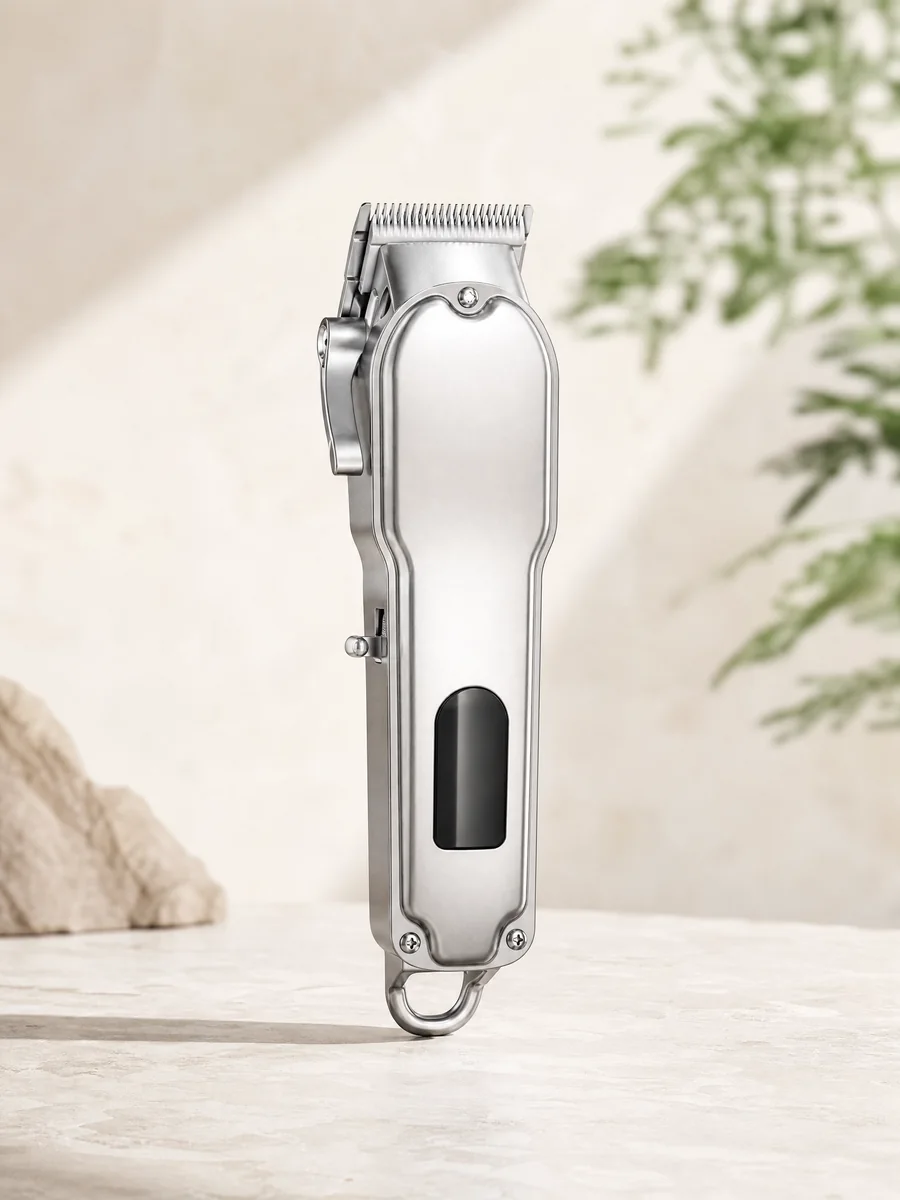
Note: If you source grooming clippers such as dog grooming clippers for matted hair from the same supplier network, ensure electrical safety certification and country‑specific compliance testing are confirmed and documented before importing 1. Buyer/importer confirmation is required for final safety and compliance claims.
Commercial tradeoffs: cost, lead time, customization, and after‑sales
Every sourcing decision balances cost against flexibility, speed and brand control. The most suitable supplier depends on your priorities.
Common tradeoff scenarios
- Low unit cost vs. long lead time: large overseas manufacturers typically offer lower per‑unit pricing but longer production and freight lead times.
- Flexibility vs. MOQ: smaller manufacturers or contract assemblers accept lower MOQs and faster turnarounds, but at higher per‑unit cost.
- In‑house tooling vs. shared tooling: owning tooling accelerates future runs and reduces per‑unit cost but requires upfront CAPEX and inventory risk.
- Private‑label control vs. distributor convenience: using a dog shampoo distributor or full-service brush supplier who can bundle complementary SKUs reduces procurement complexity but may raise margins and reduce direct control over ingredients and claims.
Commercial negotiation checklist
- Negotiate pilot pricing and clear approval gates for tooling acceptance.
- Agree incoterms (FOB, CIF, DDP) aligned with your logistics capabilities and risk appetite.
- Set payment terms tied to milestones: sample approval, tooling sign-off, shipment.
- Define warranty periods and defective return handling (replacement vs. credit).
- Include intellectual property clauses for custom designs and logo usage.
Cost modeling table (example)
| Cost element | Low‑cost supplier | Flexible supplier |
|---|---|---|
| Unit price (10k units) | $2.00 | $3.20 |
| MOQ | 5,000 | 500 |
| Lead time | 10–12 weeks | 4–6 weeks |
| Custom tooling | High upfront | Possible to rent or use standard tooling |
If you plan complementary categories—ordering dog brush from a primary manufacturer and custom dog shampoo from a dog shampoo distributor—evaluate the complexity of coordinating two suppliers vs. the benefit of bundled logistics. For private‑label teams, coordinating artwork approvals and shared packaging specs across suppliers is a common pain point that should be scheduled into your timeline.
Frequently asked questions
Q1: How do I confirm a supplier is a legitimate dog brush supplier and not just an agent? A1: Request factory photos or a virtual tour, a production capacity statement with machine lists, evidence of tooling ownership, and recent sample production dates. Ask for a list of raw material vendors and third‑party inspection reports. If the supplier cannot provide traceable evidence, treat them as an agent and require clear contractual terms on responsibility.
Q2: What basic tests should I demand on every sample? A2: At minimum: dimensional verification against spec, bristle retention test, handle tensile/bend test, and packaging drop test. For metal components, a corrosion test is advisable. Record test methods and acceptance criteria in the purchase order.
Q3: Can I claim “hypoallergenic” or “anti‑itch” on pet grooming brushes or shampoos? A3: Labels that imply health effects or disease treatment can have regulatory implications. For shampoos, ingredient disclosure and stability data are required; for brushes, avoid medical claims. Buyer/importer confirmation and legal review are required before using such claims.
Q4: When should I use a third‑party inspector? A4: Use a third‑party pre‑shipment inspection for initial orders, high‑value runs, or when a supplier lacks audit history. For long‑term suppliers with strong quality performance, schedule inspections periodically per risk assessment.
Conclusion
Sourcing a dog brush supplier for the U.S. market requires clear specifications, verified supplier capability, structured sampling, robust packaging and quality controls, and a realistic view of commercial tradeoffs. Use the decision framework and checklists in this guide to reduce risk: define your commercial brief, demand measurable specs and material evidence, run controlled sample and pilot tests, ensure retail and labeling readiness, and lock quality controls into the contract with measurable acceptance criteria.
This guide offers a practical buyer roadmap, but it does not replace importer verification of legal, safety, or marketing obligations for any target market. Confirm regulatory and labeling responsibilities with your internal compliance team or external counsel before making final claims or product launch decisions.
Buyer search scope
This guide addresses the following U.S. B2B procurement search phrases. Each phrase is considered in the context of supplier selection, product specifications, samples, packaging and quality evidence rather than as a consumer recommendation.
| Search phrase | Buyer use |
|---|---|
| dog brush supplier | Primary procurement focus for this guide |
| dog brush manufacturer | Related specification, supplier or range-planning query |
| custom dog shampoo | Related specification, supplier or range-planning query |
| dog shampoo distributor | Related specification, supplier or range-planning query |
| pet grooming tools for small dogs | Related specification, supplier or range-planning query |
| dog shampoo for dry itchy skin | Related specification, supplier or range-planning query |
| dog grooming clippers for matted hair | Related specification, supplier or range-planning query |
Final CTA — Prepare a focused pet grooming supplies sourcing brief with PawViso.
Share your target U.S. channel, product format, estimated order structure, packaging direction and customization requirements for a practical B2B discussion.
Email: info@PawViso.com
WhatsApp: +86 186 8106 4480
Related PawViso resources
- Continue with How to Source Pet Grooming Clippers to compare a related supplier, sample and quality-control route.
- Browse the PawViso product catalogue to identify product formats for your purchasing brief.
- Follow the PawViso sourcing process and review the B2B buyer FAQ before sharing requirements.
External reference
Use ISO 9001 quality-management systems guidance as general quality-system context, and confirm the product-specific evidence that applies to the selected SKU, channel and target market.