
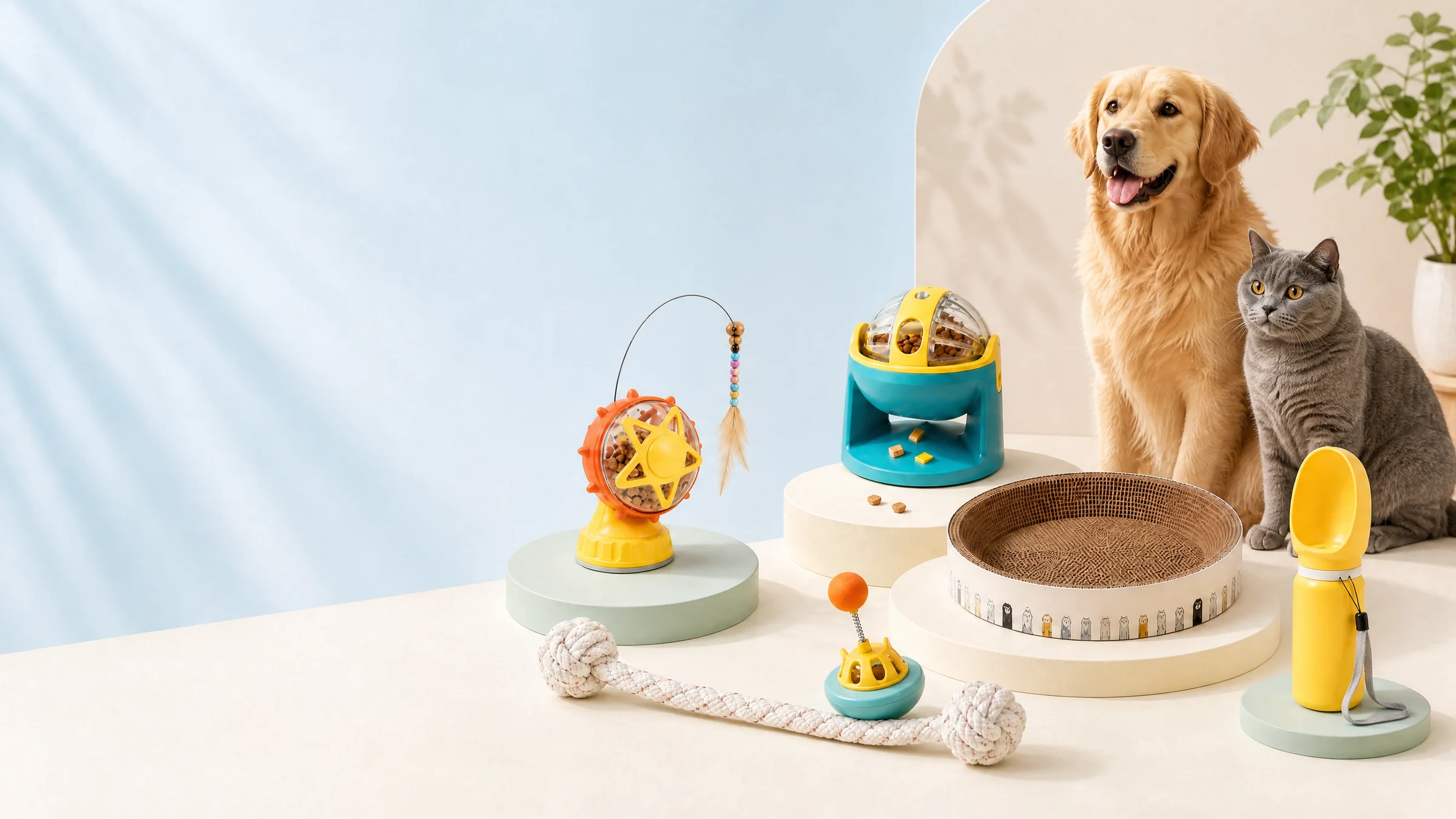
The best way to compare a cat tree’s quality and price is to assess the complete value proposition rather than the retail price alone. A lower-priced unit may use thinner board, less durable covering, simpler packaging, or fewer quality-control steps. A higher-priced unit may offer better stability, replaceable components, stronger construction, and lower expected return or replacement costs. For buyers and owners, the practical question is not “Which cat tree is cheapest?” but “Which specification delivers an appropriate level of safety, durability, appearance, and service for its intended use?”
Build a comparable specification sheet
Request the same information from every supplier. At minimum, record assembled dimensions, packed dimensions, net and gross weight, platform sizes, post diameters, board thickness, covering materials, hardware, colour options, packaging method, assembly instructions, MOQ, lead time, price basis, and available documentation. If a quotation omits a major item, mark it as “not confirmed” instead of assuming that it is included.
Evaluate the structure before the surface
The frame and base usually have a greater effect on practical value than decorative details. Inspect the base footprint, load distribution, connection points, and relationship between height and width. A tall design with a narrow base may require closer review than a lower, broader model. The product should remain appropriate for its intended environment, and any stated stability or load information should be supported by supplier documentation or an agreed inspection method.
Look closely at how posts, platforms, houses, ladders, and ramps connect. Fasteners should be properly seated, and assembly instructions should identify all parts clearly. Excessive movement, misaligned holes, exposed sharp edges, cracked board, or loose components are reasons to pause and investigate. These observations do not establish a medical or engineering guarantee; they are practical purchasing checkpoints.
Materials and finishing
Common cat-tree materials can include engineered wood or other board products, sisal or similar scratching rope, textile covering, paper-based tubes, plastic fittings, and metal hardware. Material names alone do not determine quality. Ask for the actual material specification, thickness or grade where relevant, surface treatment, colour consistency, odour expectations, and any available test or compliance documents required in the destination market.
The covering should be inspected for secure attachment, neat edges, and resistance to early peeling or fraying under the proposed use. Scratching surfaces should be positioned where cats can reach them naturally and should be replaceable or repairable when that is part of the product concept. Scratching is a normal feline behaviour, so a buyer may consider whether the design offers an appropriate outlet without presenting the product as a behavioural treatment 1 2. Avoid assuming that a thicker or softer covering is always better; the appropriate choice depends on cleaning needs, customer expectations, and the design’s intended use.
Use a total-cost comparison, not a unit-price comparison
The quoted unit price is only one part of the commercial decision. Compare the total landed or delivered cost that applies to the specific order. Depending on the transaction, this may include packaging, tooling or sample charges, inspection, freight, duties, storage, marketplace fees, assembly support, and expected after-sales handling.
A product with a modestly higher purchase price may be better value if it reduces damage in transit, assembly complaints, returns, or replacement-part requests. However, do not assume that a higher price guarantees lower failure rates. Ask for evidence, define acceptance criteria, and test samples under conditions that reflect the intended market.
| Comparison area | Questions to ask | Why it matters |
|---|---|---|
| Structure | What board, post, base, and hardware specifications are confirmed? | Helps compare strength-related design features on an equivalent basis. |
| Stability | What is the base size, centre-of-mass approach, and agreed inspection method? | Helps assess suitability for the intended height, layout, and user environment. |
| Covering | How are fabric, rope, and edges attached, and can parts be replaced? | Influences appearance, care requirements, and serviceability. |
| Packaging | What are carton dimensions, protection materials, and packed weight? | Affects freight cost, damage exposure, and warehouse handling. |
| Quality control | Are there documented inspections, samples, or acceptance criteria? | Converts general quality claims into reviewable evidence. |
| Commercial terms | What are MOQ, price basis, lead time, and payment or delivery terms? | Prevents an incomplete price from being mistaken for a comparable offer. |
| Compliance | Which destination-market documents are available and current? | Supports responsible market-entry review; requirements vary by market and product. |
Check safety and care information carefully
Cat furniture should be reviewed for foreseeable use and foreseeable misuse. Ask whether the design includes small detachable parts, accessible sharp edges, unstable connections, loose cords, or openings that could create a snagging or entrapment concern. Packaging and instructions should explain safe assembly, placement, inspection, and any restrictions that are relevant to the design. Buyers should also check applicable consumer-product obligations in the destination market rather than treating a general safety checklist as legal compliance advice 3.
Owners should place a cat tree on a suitable, level surface and inspect it periodically for loosened hardware, damaged rope, torn fabric, cracked board, or other wear. Cleaning instructions should follow the supplier’s confirmed care guidance. Do not use a cleaning method that could damage the covering, weaken adhesives, or leave residues that may irritate an animal. If a cat shows signs of pain, injury, breathing difficulty, persistent skin irritation, or a sudden change in behaviour, stop use and consult a veterinarian. This guide is general information and is not a diagnosis or treatment recommendation.
Ask about serviceability
Replaceable scratching posts, cushions, covers, or hardware can change the long-term value of a product. Confirm which parts are genuinely available, whether they are included or separately ordered, how they are packaged, and whether the replacement process is practical in the target market. If replacement parts are not confirmed, do not describe them as an established feature in a product listing.
Compare samples and production consistency
A sample can reveal construction details that photographs do not show, but one sample does not prove production consistency. Review the sample against the approved specification and record measurable criteria such as dimensions, colour tolerance, seam quality, rope coverage, hardware count, carton markings, and assembly performance.
For repeat orders, agree how changes will be controlled. A change in fabric, board supplier, adhesive, hardware, colour, carton design, or packing method may affect the final product. Buyers should request notification of material or construction changes and decide whether a new sample or approval is required. Independent inspection may be appropriate for higher-risk or higher-value orders, subject to the buyer’s process. A documented quality-management approach can help organise corrective actions and consistency reviews, but a general quality-system reference does not certify a particular product or supplier 4.
A simple decision rule for buyers
Choose the lowest-cost option only when it meets the non-negotiable requirements for the intended market. First remove any offer with unconfirmed critical specifications, unacceptable stability or finishing observations, unsuitable packaging, or terms that do not fit the commercial plan. Then compare the remaining options using weighted criteria such as structure, appearance, care, packaging, documentation, supplier responsiveness, and total cost.
For owners, the decision can be simpler: select a size and layout appropriate for the cat and home, prioritise stable construction and secure components, check care instructions, and allow enough space for safe placement. The most visually elaborate model is not necessarily the most suitable one.
Frequently asked questions
Does a higher price always mean higher quality?
No. Price can reflect size, materials, labour, packaging, order volume, freight assumptions, or commercial terms. It should be evaluated alongside confirmed specifications and agreed quality criteria.
Which cat-tree feature should I compare first?
Start with the base, frame, connections, and overall dimensions. These establish whether the design is appropriate for its intended use before you compare fabrics, colours, or decorative accessories.
How can I compare quotations from different suppliers?
Use one specification sheet and request the same information, including price basis, packaging, MOQ, lead time, and documentation. Mark unknown items as unconfirmed and avoid comparing an inclusive quotation with an incomplete one.
Should I ask for a sample before placing an order?
A sample is usually a sensible evaluation step when construction, finishing, packaging, or assembly quality is important. The buyer should define what the sample is expected to demonstrate and confirm whether production will match the approved version.
Conclusion
Comparing cat-tree quality and price requires a disciplined review of structure, materials, finishing, packaging, serviceability, documentation, and total cost. A transparent comparison sheet helps buyers avoid false bargains and gives owners a clearer way to judge suitability. Confirm every product-specific detail for the intended order and destination market before making a listing, quotation, or purchasing decision.
If you are assessing cat-furniture sourcing requirements, you can contact PawViso with your target market and specification needs for an enquiry-based discussion. Availability, materials, dimensions, pricing, MOQ, lead time, and compliance remain subject to confirmation for each request.
References
- 1ASPCA: Scratching
- 2The Humane Society of the United States: Cats and Scratching
- 3U.S. Consumer Product Safety Commission: Business Guidance
- 4ISO 9001:2015 Quality management systems
Editorial status: Review pending. Do not publish until the PawViso editorial team confirms the claims, links, product-specific enquiry process, and destination-market requirements.