
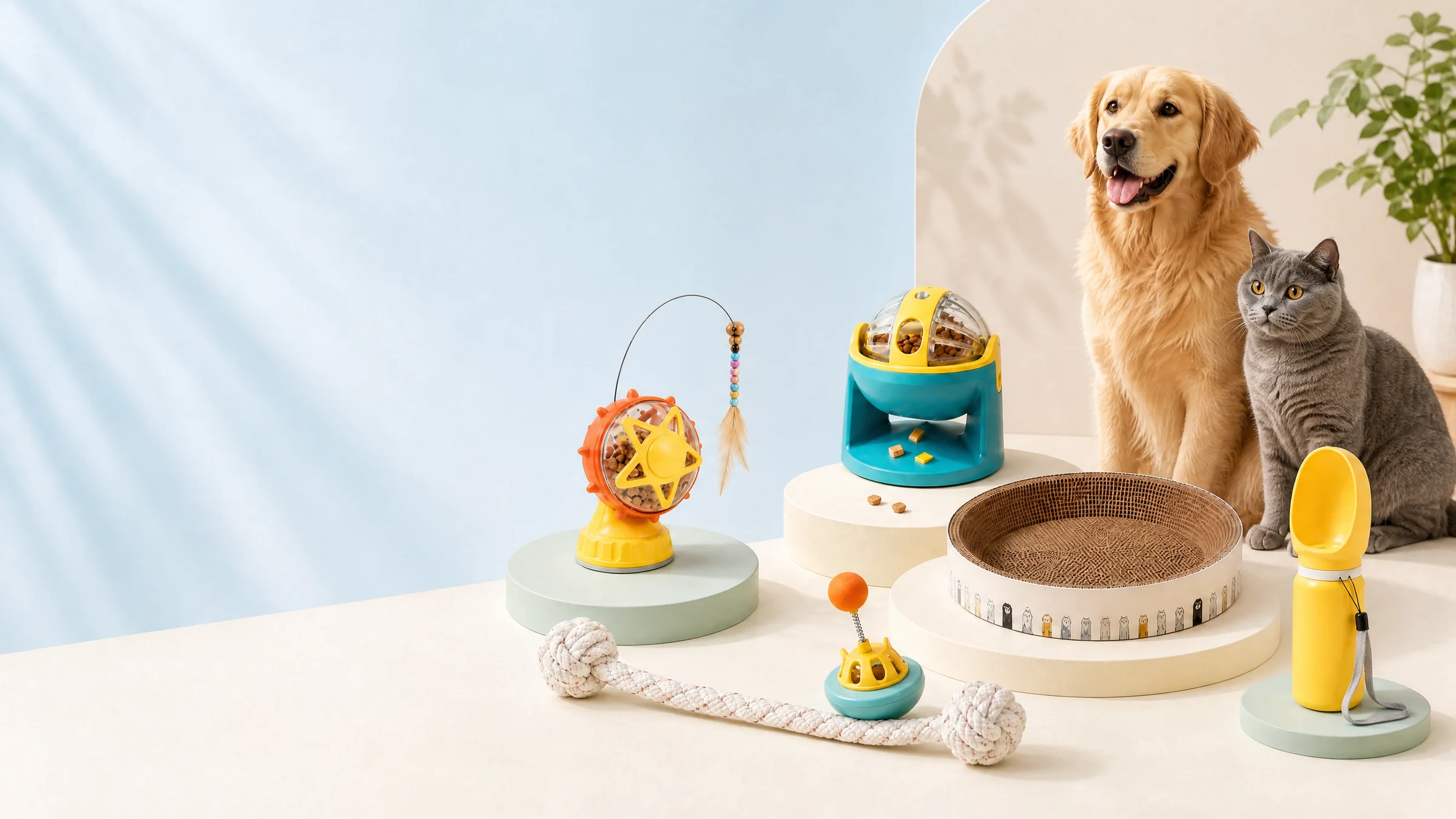
The best material for a cat scratching post depends on the cat’s preferred scratching direction, texture, and intensity. For many product programs, sisal rope or sisal fabric is a practical candidate for a sturdy vertical post, while corrugated cardboard can suit cats that scratch horizontally and enjoy tearing material. Carpet, wood, and upholstery may also work, but their construction, fiber security, cleaning requirements, and potential to resemble household furnishings deserve closer review. The right choice is not simply the hardest or most expensive material; it is the material that combines an appealing texture with a stable, appropriately shaped product.
For B2B buyers, this distinction matters because material selection affects product presentation, expected wear, packaging, care instructions, quality-control checks, and customer-service questions. Scratching is normal feline behavior associated with claw maintenance, stretching, and communication, so a useful product should support that behavior rather than rely on deterrence alone. 1 2
What cats look for in a scratching surface
Cats do not all use a scratching post in the same way. Some prefer a tall upright surface that allows a full-body stretch; others choose a low mat or pad. The Ohio State University Indoor Pet Initiative advises matching the scratching-post material to surfaces the cat already prefers and notes that cats scratching rugs or carpets may respond better to a horizontal option. 2
Texture is also important. A surface should provide enough resistance for the claws to engage without becoming so loose that strands, threads, or fragments detach during ordinary use. Placement can influence adoption as well: a post near a sleeping area, a frequently used room, or an existing scratching location may be more attractive than an identical product placed out of sight. The ASPCA recommends offering a variety of post types and surfaces, including cardboard, carpet, wood, sisal, and upholstery. 1
Comparing common cat scratching-post materials
The table below is a starting point for product selection, not a performance guarantee. Actual results depend on substrate quality, bonding, construction, dimensions, base stability, user environment, and the individual cat.
| Material | Typical format | Potential strengths | Points to verify before sourcing |
|---|---|---|---|
| Sisal rope or fabric | Vertical posts, panels, mats | Distinct texture; suitable for repeated scratching; recognizable in cat furniture | Fiber thickness, winding or weave consistency, attachment method, loose ends, odor, colorfastness, and replacement strategy |
| Corrugated cardboard | Horizontal pads, lounges, inserts | Lightweight; can appeal to cats that like shredding; convenient for replaceable formats | Dust and fragment control, board density, adhesive or laminate details, edge finishing, moisture exposure, and packaging protection |
| Carpet | Mats, wrapped posts, platforms | Familiar underfoot texture; may suit cats that already scratch rugs | Fiber security, backing material, snag risk, cleaning instructions, and whether the appearance may encourage scratching household carpets |
| Untreated or finished wood | Logs, boards, posts, frames | Natural-looking and firm; supports a distinctive design language | Splinters, sharp edges, surface treatment, resin or odor, moisture exposure, and secure mounting |
| Upholstery or woven fabric | Panels, cushions, mixed-surface furniture | Design flexibility and soft visual appeal | Thread pull, seam strength, snagging, loose fibers, cleaning method, and possible confusion with sofas or chairs |
Sisal: a strong general-purpose candidate
Sisal is commonly selected for vertical posts because its rope or fabric texture gives claws a clear surface to catch. It can create a replaceable wear zone when wrapped around a core or attached as a panel. Buyers should inspect even application, concealed ends, and structural stability when a cat pulls downward.
Review sisal products for loose strands and exposed fasteners. Packaging should explain normal wear and indicate when a damaged component should be removed from use. Product specifications, documentation, and availability should be confirmed with PawViso for each enquiry.
Cardboard: useful for horizontal scratching and replacement programs
Corrugated cardboard can suit cats that scratch flat surfaces or enjoy pulling apart a disposable texture. It can be offered as a standalone pad, a reversible insert, or a replacement component within a broader cat-furniture range. Its light weight may simplify shipping, but the finished product should not slide excessively during ordinary use.
Cardboard requires a realistic wear and housekeeping review. Small fragments and dust may accumulate as the surface is used, particularly in homes with multiple cats. Buyers should ask about board density, adhesive or laminate details, edge construction, and how replacement inserts are packaged. The suitable cleaning approach should follow the product’s instructions; do not assume that soaking or strong household chemicals are appropriate.
Carpet, wood, and upholstery: preference-specific options
Carpet may be effective when a cat already targets rugs, but it creates a behavior and merchandising question: a similar-looking product may not clearly distinguish the approved scratching area from household carpet. If carpet is selected, review fiber security, backing, seams, and snag resistance carefully.
Wood offers a natural appearance and a firm surface, but unfinished or poorly finished components may present splinter or sharp-edge concerns. Upholstery can broaden color and pattern choices, yet loose threads and pulled seams can become maintenance issues. These materials can be useful in mixed-surface designs when the finished product is stable, free from obvious hazards, and accompanied by clear care guidance.
Buyer and owner decision criteria
A practical selection process begins with the intended use case. For a tall post, prioritize a surface that supports vertical scratching and a base that resists tipping. For a lounge or mat, prioritize horizontal access and low sliding. For a multi-cat program, consider offering more than one texture or a replaceable wear component rather than assuming one surface will suit every household.
B2B buyers should ask suppliers for a written specification covering the substrate, fastening system, surface treatment, dimensions, packaging, care instructions, and replacement parts. Request samples for hands-on checks of surface uniformity, odor, loose fibers, sharp elements, stability, and cleanability. Any applicable regulatory, testing, or compliance documentation should be identified for the destination market and confirmed with the supplier or an appropriately qualified professional.
Owners can use this checklist:
- Does the format match the cat’s preferred vertical or horizontal direction?
- Is the base stable and the scratching area large enough for the intended use?
- Are there loose threads, splinters, exposed staples, detached rope, or damaged edges?
- Can the surface be cleaned or replaced as instructed?
- Is the post near a location where the cat already scratches or rests?
If a cat suddenly changes scratching behavior, appears painful, has a damaged claw, or shows skin or respiratory concerns around a product, stop using the item and consult a veterinarian. A veterinarian or qualified behavior professional can help distinguish ordinary preference from a possible health or behavior issue. This guide is general information only and does not diagnose conditions or prescribe treatment.
FAQs
Is sisal better than carpet for a cat scratching post?
Neither is universally better. Sisal is often a practical choice for a durable vertical scratching surface, while carpet may suit a cat that already prefers carpet-like textures. Compare the cat’s existing behavior with the product’s orientation, stability, fiber security, and maintenance requirements.
Are cardboard scratchers safe for cats?
A well-constructed cardboard scratcher may be suitable, but check for excessive dust, unstable movement, sharp edges, loose components, and excessive fragments. Follow the product’s replacement guidance and remove visibly damaged items from use. If a cat develops a health concern associated with a product, consult a veterinarian.
Should a scratching post be vertical or horizontal?
Choose the orientation that matches the cat’s preference: tall posts for cats that stretch upward and horizontal pads for cats that target rugs or other flat surfaces. Offering both formats can serve a broader range of preferences. 2
How often should a scratching post be replaced?
There is no universal replacement interval. Replace or repair it when the surface is materially detached, the structure becomes unstable, sharp parts are exposed, or the product no longer provides a secure scratching area. A replaceable sisal panel or cardboard insert can make maintenance decisions clearer.
Can I clean a cat scratching post with household disinfectant?
Do not assume that any household disinfectant is suitable. Use only the method stated in the product instructions, keep the item fully dry before use, and seek veterinary or other qualified professional advice if there is a specific contamination or health concern. Never combine cleaning chemicals.
Conclusion
For many product programs, sisal is a balanced candidate for vertical products, while corrugated cardboard can suit horizontal, shreddable formats. Carpet, wood, and upholstery can address particular preferences, but require review of fibers, edges, finishes, cleaning, and wear. The responsible choice matches scratching behavior and format while maintaining stability and aftercare.
For a sourcing discussion, contact PawViso with your target market, format, material direction, and packaging needs. Confirm product specifications, applicable documentation, pricing, MOQ, lead time, and availability before purchasing. You can also email info@PawViso.com.